
Wheezing: A Respiratory Therapist's In-Depth Explanation

Wheezing is a common respiratory symptom that can be both concerning and uncomfortable. Elizabeth, our resident respirator therapist, provides a comprehensive overview of wheezing, including its causes,treatments, and prevention strategies. Whether you've experienced wheezing yourself or know someone who has, understanding this symptom can help youbetter manage your respiratory health.
What is Wheezing?
Wheezing is a high-pitched whistling sound thatoccurs when breathing through narrowed or obstructed airways. It can happen during both inhalation (inspiratory wheeze) and exhalation (expiratory wheeze).The main culprits behind wheezing are mucus buildup, inflammation of the airways, and in some cases, fluid around the lungs due to cardiac problems.
Inspiratory vs. Expiratory Wheezing
It's important to distinguish between inspiratoryand expiratory wheezing, as they can indicate different underlying causes.
Expiratory wheezing, the most common type, occurswhen breathing out and can be caused by conditions such as:
-
Asthma
-
Chronic Obstructive Pulmonary Disease (COPD)
-
Severe allergies
-
Congestive Heart Failure (CHF)
-
Respiratory Syncytial Virus (RSV)
On the other hand, inspiratory wheezing occurs whenbreathing in and is usually caused by issues in the larger airways, such as:
-
Severe allergic reactions like anaphylactic shock
-
Foreign body obstruction, especially in children
-
RSV
-
Vocal cord dysfunction
-
If you've been diagnosed with asthma without proper testing, it's essential to consult a lung specialist to confirm the diagnosis,as not all wheezing is caused by asthma.
Common Triggers to Avoid
To prevent or minimize wheezing episodes, it'scrucial to identify and avoid common triggers. Some of these triggers include:
-
Smoke (cigarette smoke, wildfires, etc.)
-
Perfumes and strong fragrances
-
Chemicals (cleaning products, solvents, etc.)
-
Dust and dust mites
-
Pollen
-
Pet dander
-
Cold air
Keeping a trigger diary can help you pinpoint your personal triggers and take steps to avoid them.
Treating Wheezing
The treatment for wheezing depends on the underlying cause. Some common treatments include:
-
Bronchodilators: These medications, such asalbuterol, can help open narrowed airways and are available as inhalers or nebulizers.
-
Steroids: IV, oral, or inhaled steroids can reduce inflammation in the airways, making it easier to breathe.
-
Allergy medications: Leukotriene modifiers and antihistamines can help manage allergic reactions that lead to wheezing.
-
Diuretics: In cases where wheezing is caused by fluid around the lungs due to cardiac issues, diuretics can help reduce this fluid buildup.
Long-term Treatment and Prevention
In addition to treating acute wheezing episodes,long-term treatment and prevention strategies can help manage chronic conditions that cause wheezing.
-
Daily inhaled medications: If prescribed, taking daily inhaled medications consistently can help prevent inflammation and narrowing of the airways.
-
Mucus management: Keeping mucus thin and loose by staying hydrated and using techniques like percussion (gently clapping on thechest or back) and strong coughing can help prevent mucus buildup that leads to wheezing.
-
Lifestyle changes: Maintaining a healthy diet,exercising regularly, and managing stress can help improve overall respiratory health.
-
Immunizations: Staying up to date on vaccinations, particularly for influenza and pneumonia, can help prevent infections that may trigger wheezing.
When to Seek Emergency Care
While wheezing can often be managed at home,certain situations require immediate medical attention. If you experience any of the following, seek emergency care:
-
Sudden onset of severe wheezing
-
Difficulty breathing or shortness of breath
-
Wheezing that does not improve with prescribed medications
-
Blue or gray skin, lips, or fingernails (a sign oflow oxygen levels)
-
High fever with wheezing
-
Chest pain or pressure
Your Healthcare Team
Managing wheezing and respiratory health is a team effort. Be sure to work closely with your healthcare team, including your primary care physician, respiratory therapist, and specialists (such asallergists or pulmonologists) as needed. They can help you develop a personalized plan to manage your symptoms and prevent complications.
Wheezing can be a distressing symptom, but with the right knowledge and support, you can take control of your respiratory health. If you have concerns about wheezing or your respiratory condition, don't hesitate to reach out to your healthcare team for guidance and support.
Nurture lungs with the gentle power of Mullein
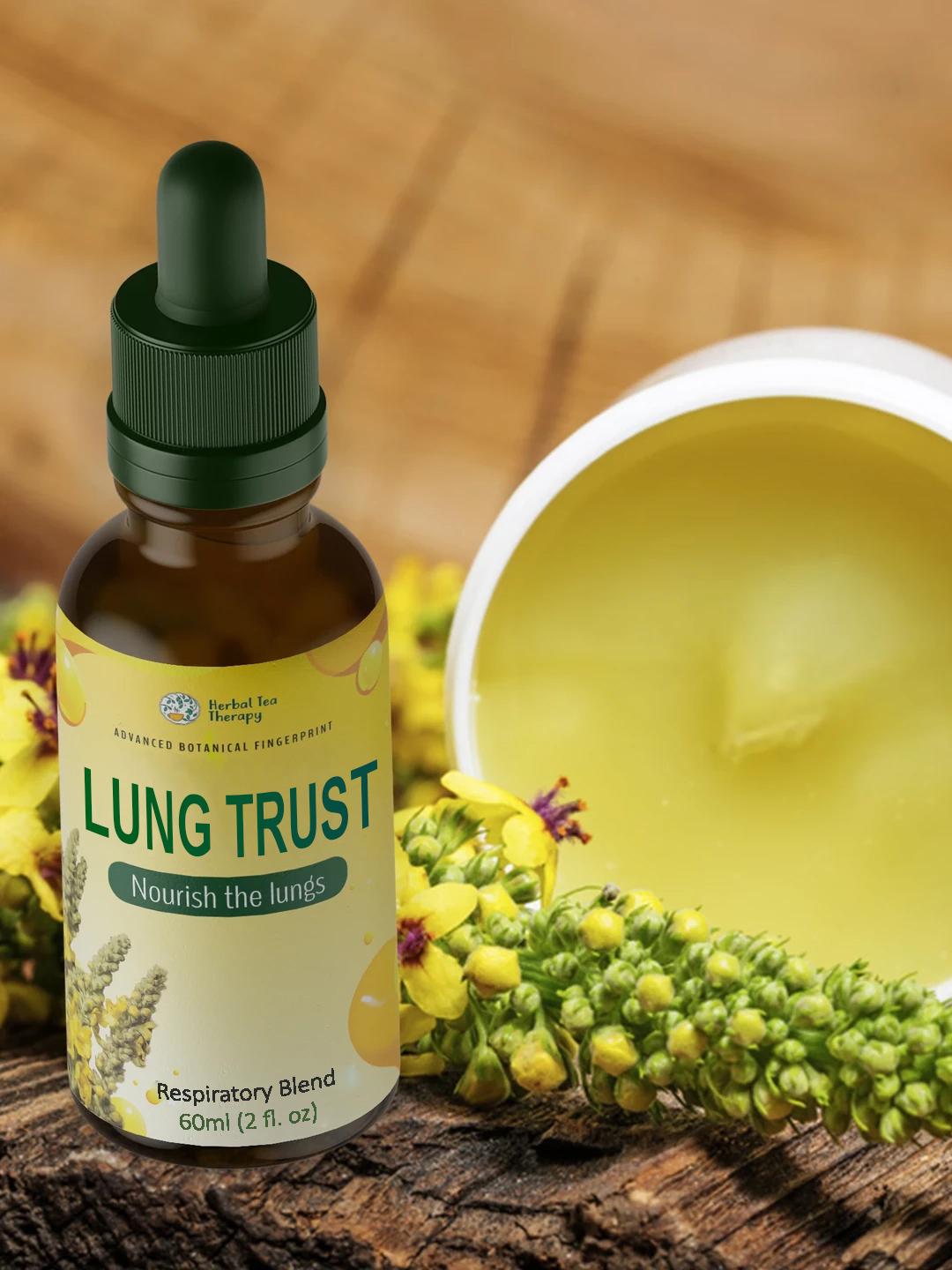
Lung Trust
$79.99
$69.00/Bottle

Mullein Tea
$69.99
$49.00

Herbal Detox Tea
$79.95
$45.00/Pack

This site is not a part of the Facebook website or Facebook Inc. Additionally, This site is NOT endorsed by Facebook in any way. FACEBOOK is a trademark of FACEBOOK, Inc.